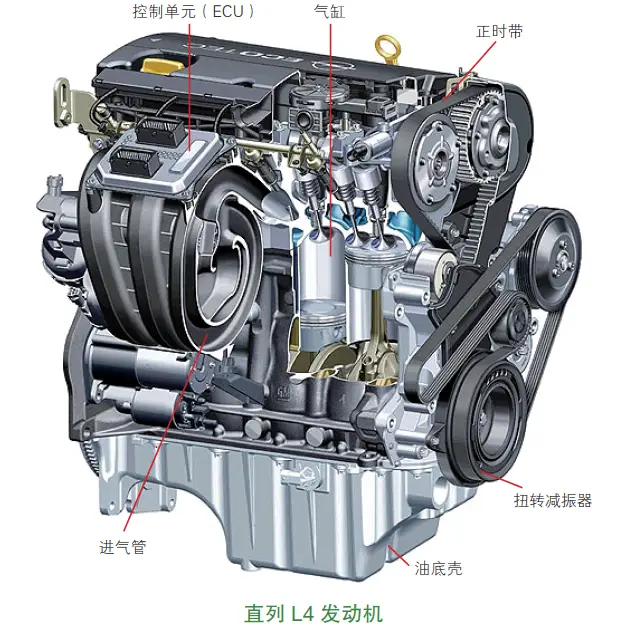
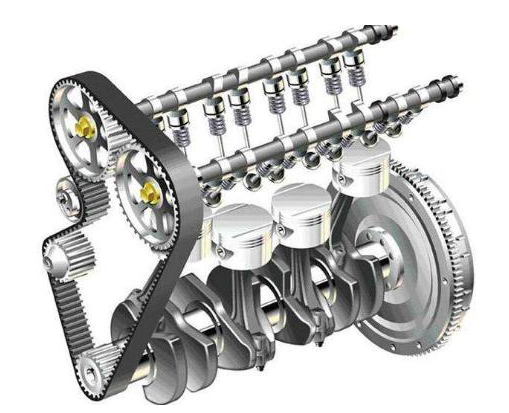
How are engine belts installed? How can I tell if the timing belt is too tight?

How are engine belts installed? How can I tell if the timing belt is too tight?

Oct 08, 2024

This article provides a comprehensive guide on how to install engine belts, including the timing belt. It covers the key steps of engine belt installation, how to loosen the tensioner, and the importance of aligning timing marks correctly. Additionally, it explains how to check if the timing belt is too tight, which can lead to noise, increased wear, and engine performance issues. This guide also includes advice on inspecting and adjusting belt tension for optimal engine operation. Proper maintenance of engine belts is crucial to avoid costly damage and ensure your vehicle runs efficiently.
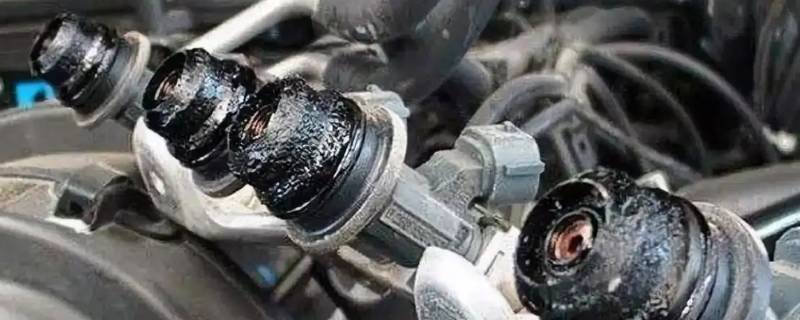
Why is the engine shaking? What are the causes?

Why is the engine shaking? What are the causes?

Sep 10, 2024

Engine vibration is a common issue faced by many car owners, with causes ranging from ignition, fuel, and intake system failures to mechanical or electrical faults. This page will guide you through the primary causes of engine vibration and the appropriate repair methods to ensure smooth vehicle operation.
Understanding Engine Life: How Often Should You Replace Your Car Engine?

Understanding Engine Life: How Often Should You Replace Your Car Engine?

Sep 10, 2024

The lifespan of a car engine varies depending on factors like driving conditions, regular maintenance, and the quality of the engine itself. Typically, a well-maintained engine can last between 150,000 to 300,000 kilometers. This page explains the factors affecting engine lifespan and the warning signs that suggest it may be time to replace your engine, ensuring your vehicle continues to run smoothly and efficiently.
How to deal with Volkswagen EA211 Golf timing misalignment and engine fault light alarm?

How to deal with Volkswagen EA211 Golf timing misalignment and engine fault light alarm?

Sep 10, 2024

When a Volkswagen EA211 engine experiences timing misalignment, it can trigger the engine warning light and cause significant performance issues. This page explains the common causes of timing misalignment, such as a worn or loose timing belt, and provides steps for diagnosing and fixing the problem. Following this guide will help you address the issue and maintain your engine's smooth operation.
Why are turbos more likely to burn oil?

Why are turbos more likely to burn oil?

Sep 10, 2024

Turbocharged engines are more likely to burn oil due to higher operating temperatures, increased pressure, and the wear of turbo seals. Factors like oil drainage issues and oil breakdown under high heat can also contribute to oil consumption. This page provides insights into the common causes of oil burning in turbo engines and offers tips on how proper maintenance can help reduce the issue.
Why does the fuel purification system and engine “misfire” failure phenomenon occur?

Why does the fuel purification system and engine “misfire” failure phenomenon occur?

Sep 10, 2024

The fuel purification system plays a crucial role in ensuring clean fuel delivery to the engine, while engine misfires indicate problems with ignition or fuel delivery. This page provides insights into how issues with fuel filters, pumps, and injectors can lead to engine misfire phenomena. It offers guidance on diagnosing the root causes, such as faulty spark plugs or ignition coils, and provides solutions for effective repair and maintenance to restore optimal engine performance.